
Understanding Soil and Land Gradings
Gradings are a key process in assessing and categorizing soil, land, or materials based on specific criteria. They are essential for construction, landscaping, and land development projects to ensure safety, stability, and compliance with local regulations.
Gradings help determine land suitability, drainage capabilities, and stability, guiding construction decisions and land management practices.
Types include soil grading, land grading, and material grading, each serving different project needs and regulatory standards.
Timing affects grading accuracy and effectiveness, often influenced by weather, soil conditions, and project schedules.
Local regulations in Ohio specify standards for grading practices, including permissible times and methods to ensure safety and environmental compliance.

Soil testing is a crucial step before grading to assess stability and suitability.

Proper land preparation ensures effective grading and long-term stability.

Heavy machinery like graders and excavators are essential for precise land grading.
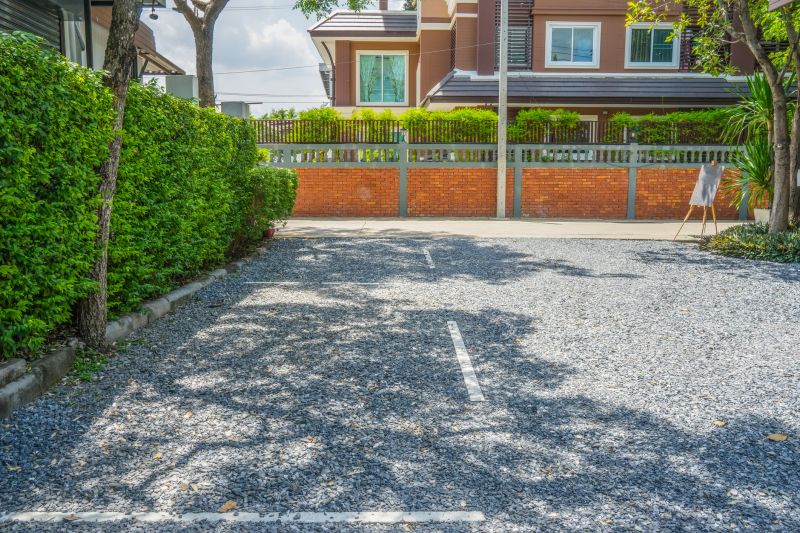
Ways to make Gradings work in tight or awkward layouts.
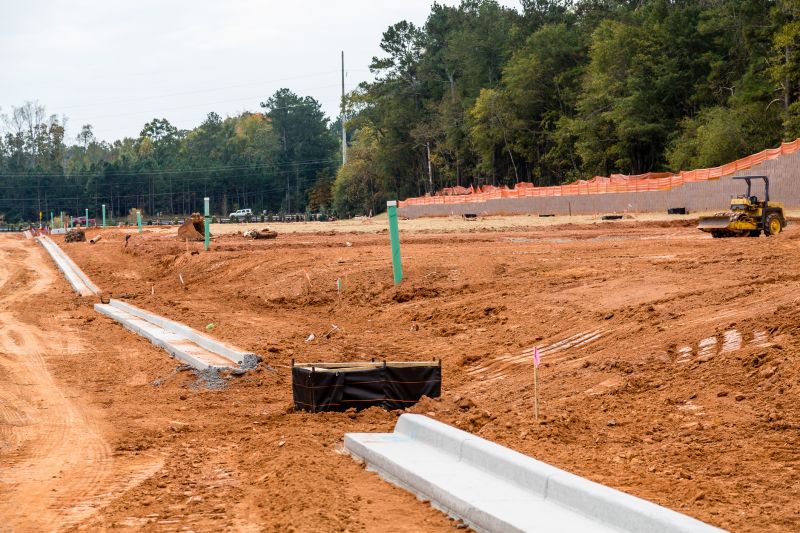
Popular materials for Gradings and why they hold up over time.

Simple add-ons that improve Gradings without blowing the budget.
| Aspect | Details |
|---|---|
| Best Season | Spring and early summer are ideal for grading activities. |
| Weather Conditions | Dry, stable weather minimizes delays and soil issues. |
| Soil Moisture | Optimal moisture levels are necessary for accurate grading. |
| Project Schedule | Align grading with project timelines for efficiency. |
| Regulatory Compliance | Ensure timing adheres to local guidelines. |
| Environmental Impact | Avoid grading during rainy periods to prevent erosion. |
| Soil Type | Clay soils may require different timing compared to sandy soils. |
| Equipment Availability | Ensure machinery is available during optimal periods. |
Gradings are a fundamental aspect of land development that influence the safety and longevity of construction projects. Proper timing ensures that grading is performed under optimal conditions, reducing the risk of future issues such as erosion, settlement, or drainage problems. Accurate assessments and adherence to local regulations are crucial for successful grading operations.
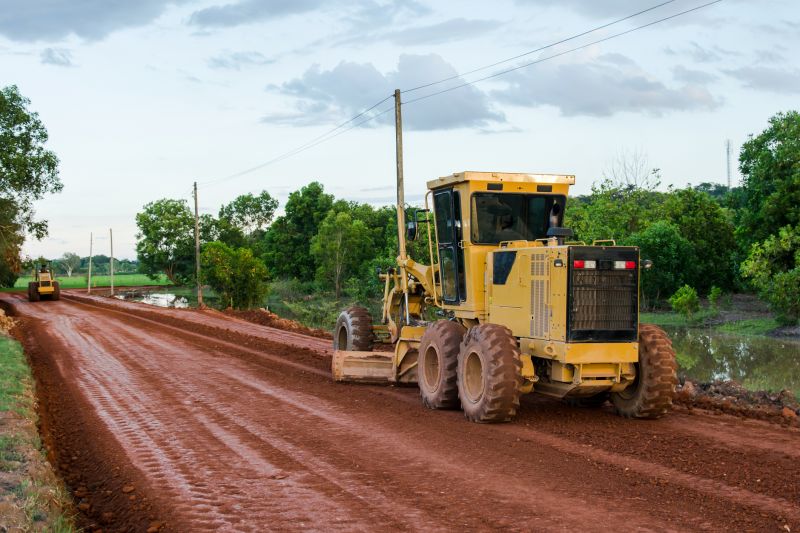
Inspection during grading ensures compliance with standards and project specifications.
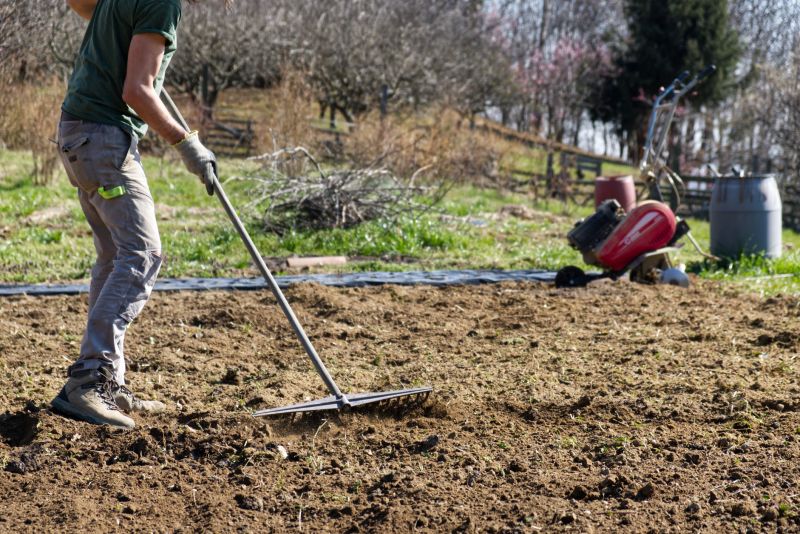
Proper compaction is essential for long-term stability and performance.
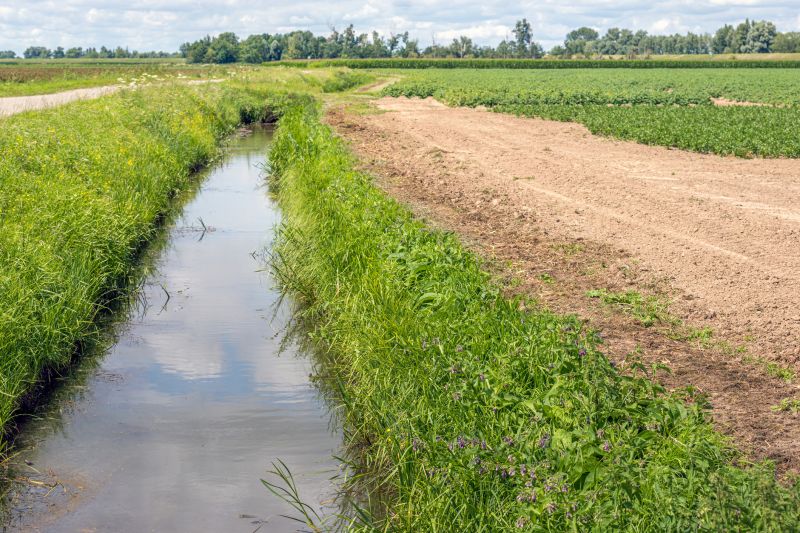
Effective drainage planning prevents water accumulation and erosion.
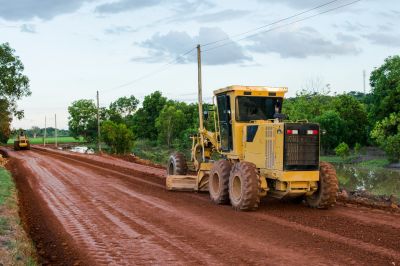
Final assessment confirms land is graded correctly before proceeding.

High-end options that actually feel worth it for Gradings.

Finishes and colors that play nicely with Gradings.
Interested parties in Cuyahoga Falls are encouraged to contact for more information on optimal timing and procedures for land grading projects. Proper planning and execution can lead to improved project outcomes and long-term land stability.